Do viruses dream of electric potentials? Drs. Smyth and Padget discuss SARS-CoV-2 infection and your body
Drs. Smyth and Padget discuss SARS-CoV-2 infection and your body
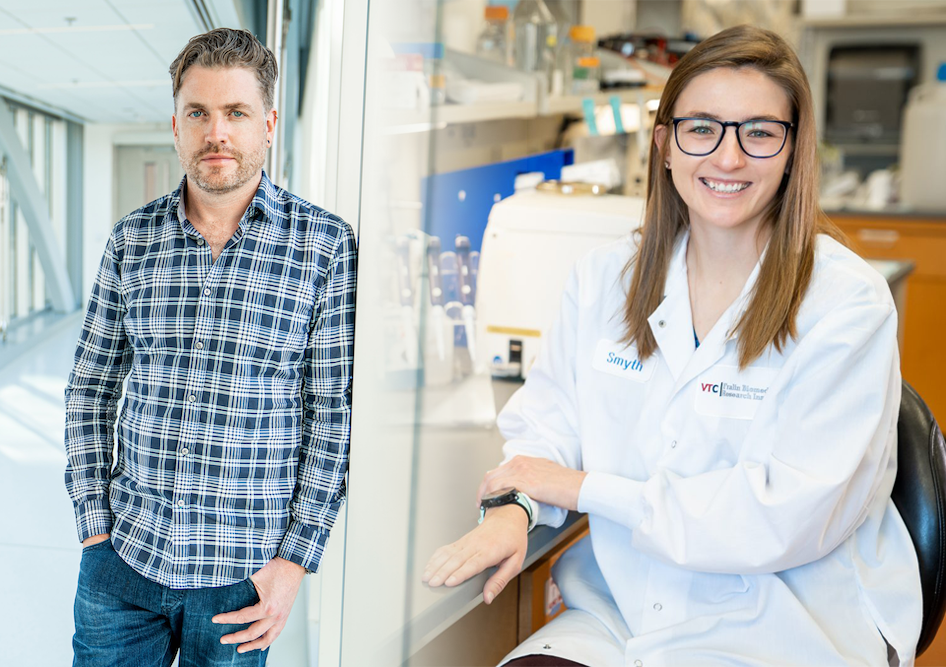
In episode 2 of our Public Podcast Series in conjunction with the American Society for Neurochemistry conference we meet with Drs. Jamie Smyth and Rachel Padget (your beloved communications director of BLoS) talk about what infection with SRAS-CoV-2 does to your body, why many people lose their sense of taste and smell, and what being a virologist has been like over the past two years.
That I may serve
Dr. Carla Finkielstein, Fralin Biomedical Research Institute, and Virginia Tech serving Southwest Virginia during the pandemic.
Big Lick of Science presents a public interest series in conjunction with the American Society for Neurochemistry.
Episode 1: That I may serve: Dr. Carla Finkielstein, Fralin Biomedical Research Institute, and Virginia Tech serving Southwest Virginia during the pandemic
Paras visited with Dr. Carla Finkielstein, cancer biologist at Virginia Tech, who answered “What am I positioned to do to serve others during the pandemic?” by being the driving force and director of the Virginia Tech Molecular Diagnostics lab, the Covid-19 diagnostic lab that serves Southwest Virginia.
Who makes the rules around here?
Science policy and change with Dr. Sarah Parker
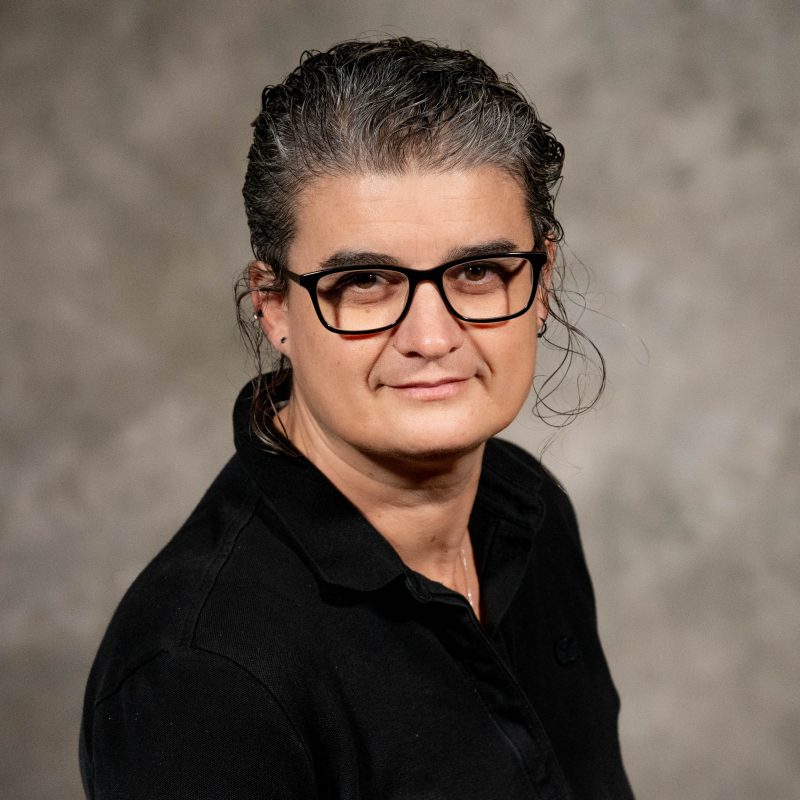
How does a system change based on scientific information? And why does change sometimes seem to conflict with previous information? Paras visits with Dr. Sarah Parker, an expert on studying clinical setting effectiveness, such as reducing infection during operations. They discuss topics like science policy and how scientists create change on a large scale.

Do you understand me?
Patty Raun and Carrie Kroehler communicate science communication
Rachana visits with Patty Raun and Carrie Kroehler, directors of the Virginia Tech Center for Communication Science about why proper science communication is important and how scientists can be more effective as sharing their work, from your own family to a more broad audience.
SURFing his way into a lifetime of science
Learning about summer research opportunities
Big Lick of Science brings a first for us, we sit down with a summer undergraduate research fellowship (SURF) student at the Fralin Biomedical Research Insititute at Virginia Tech. Gabe focused on addiction research during his summer months in Roanoke and also talks a little bit about his educational background, including his time being homeschooled!

Forgetting what you know
An Inside Out approach to understanding how we think with Dr. György Buzsáki
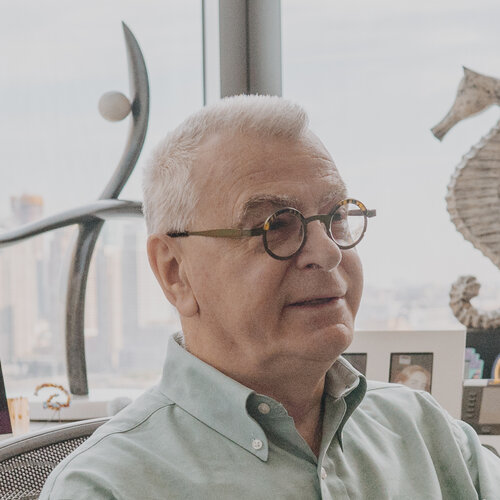
We bring you a special episode today with Dr. György Buzsáki, Biggs Professor of Neuroscience at New York University School of Medicine. Paras and Dr. Buzsáki discuss his Inside Out approach and philosophy to how brain rhymes support cognitive function. Dr. Buzsáki is the author of over 300 papers and 2 books, the latest titled “The Brain From Inside Out”.
Astrocytes, the real star stuff?
Dr. Robel explores the cosmos of our brain cells
Dr. Stefanie Robel is a primary investigator at the Fralin Biomedical Research Institute at Virginia Tech who focuses on these little star-shaped cells within our brains called astrocytes. These cells are important for brain health and function, but that can all change during traumatic brain injury, as her group studies. Additionally, we chat about her interests outside of the lab, including team building and mentorship.

A pannexin for your thoughts
Dr. Johnstone communicates about cell channels and US/UK Academia
Big Lick of Science sits down with new Principal Investigator, Dr. Scott Johnstone to discuss his research into cellular communication via pannexins and connexions and his unique experience working in academia in both the United States and the United Kingdom, along with opening a new lab during the pandemic.
(Peer) Pressure, pushing down on me
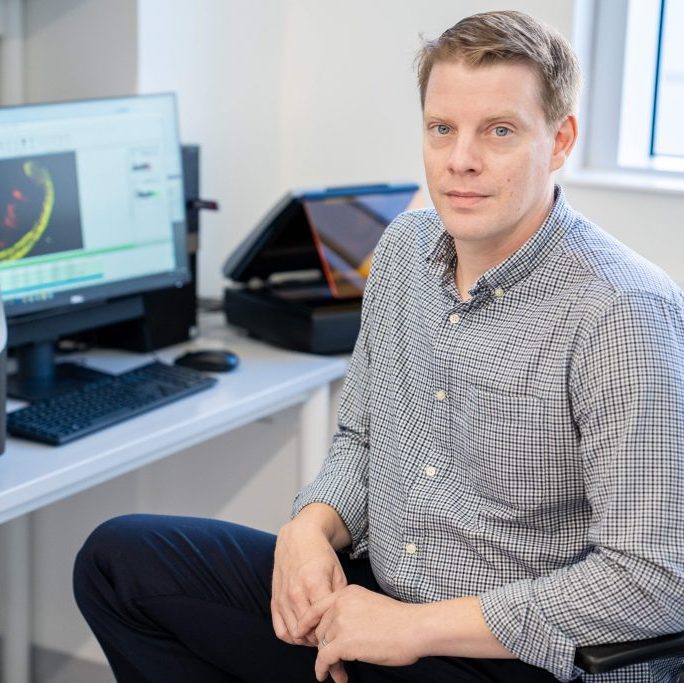
Rachana discusses all of this and more with Mark Orloff, PhD candidate at Virginia Tech!
“If all of your friends were to jump off of a bridge, would you do it?” Peer pressure can be a powerful social influence, but can this phenomenon be used to help people to better decision-making?
What’s in a name?
From linguistics to botany
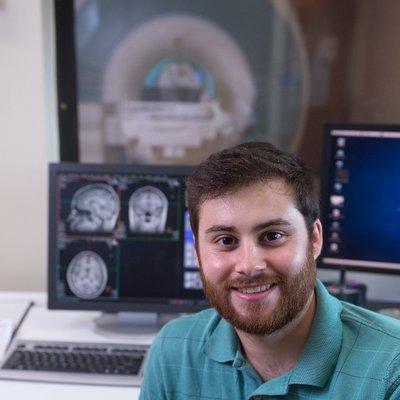
Today on Big Lick of Science, we do something a little different and discuss the history of one of the most famous Black scientists, George Washington Carver, who created 105 recipes for the use of peanuts and was an advocate for environmentalism.
Additionally, Paras gets to enjoy one of his passions, linguistics, by highlighting the research into African American Vernacular English (AAVE) by Dr. Lisa Green at UMass Amherst.

Step-by-step
COVID-19 vaccine prep with Dr. X.J. Meng
Rachana virtually sits down with Dr. X.J. Meng, vaccine expert, and professor at Virginia Tech to discuss the ins and outs of vaccine creation. They get into the specifics of the making of the COVID-19 vaccines and answer our listeners’ questions.

You R0 going to believe this episode
Dr. Smyth, virologist, unpacks it all
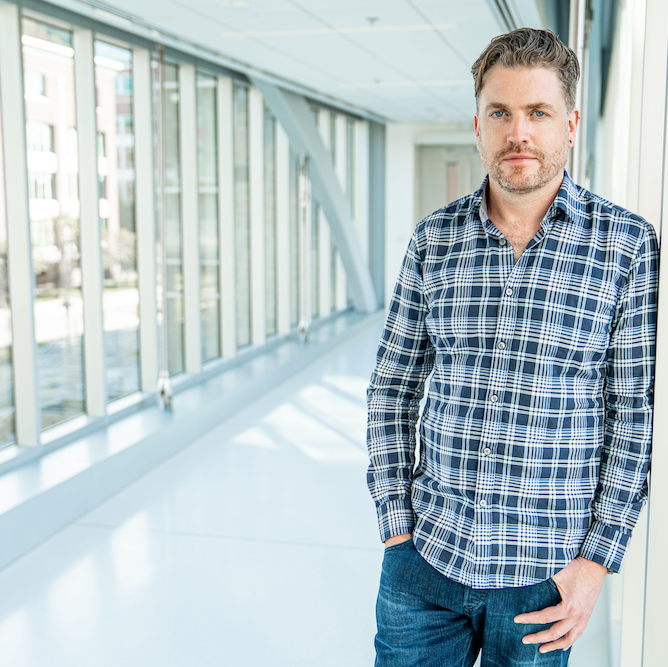
Our host, Paras, virtually sits down with Dr. Jamie Symth, virologist and cellular communication expert at Virginia Tech to talk about his work, how viruses can ruin everything and how different viruses have been so successful at integrating into our lives and are tightly woven into the human experience.
Microscopic aliens and you
What are viruses and how the COVID-19 pandemic came to be
Today’s introduction delves more into viruses, how they cause pandemics, and humanity’s tepid history with these microscopic aliens. Rachana and Paras muse and discuss more details about the current COVID-19 pandemic. Wear your mask, folks!

With Dr. Read Montague:
Why choose this interview?
Computational neuroscience has experienced a super-nova like explosion of growth in recent years. Tune in to hear from Dr. Read Montague, director of the Human Neuroimaging Laboratory at the Fralin Biomedical Research Insitute, to explore the past, present, and future of this exciting field along with details about his career and the book he authored: Why Choose This Book?: How We Make Decisions.

The (ir)rational choice to listen
Your life is made up of everyday decisions, but what drives you to make the choices that you do? What’s the science behind rhyme or reason? We delve into the world of choice.
Sex Differences with Dr. Hodes
Let’s talk about sex.
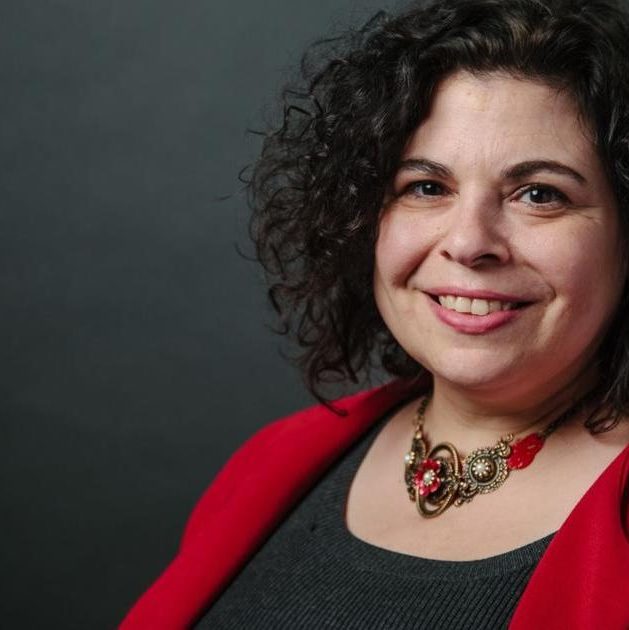
Tune in to the second part of our fascinating series on the role of sex-specific differences in science and disease. Listen to Dr. Georgia Hodes discuss her transition from a career in theater and design to science. Learn about her research exploring the intersection of sex-specific differences in depression and the immune system.
It’s not all about Corona. Sex matters.
What role do sex-specific differences play in scientific studies and disease models? Tune in to part one of this series to learn about how the sex of an organism is an important consideration in scientific experimentation, and how sex-specific differences can impact the biology of the brain, the development of diseases such as depression, and the response to treatments.
Health Science Careers in Roanoke
A science outreach event.
Tune in to hear our first live podcast! Listen to the question and answer session from our Health Science Career Panel to learn about careers as a doctor, physical therapist, dental hygienist, biomedical scientist, entrepreneur in science, and more from our expert panelists. Hear advice about how to pursue these careers and avenues to pursue them right here in the Roanoke Valley!
Poopcast! Round 2
Join us for the second part of our gut microbiome series as we interview Dr. Michelle Theus, a scientist studying the role of the gut-brain axis in the development of autism. Learn about her journey through the research world, venturing from stem cell therapies to the mechanisms by which the gut microbiome may influence our brain and behavior.

Poopcast! Round 1
Did you know? You have trillions of microorganisms living in your gut right now! Tune in to part one of our gut microbiome series to learn the difference between good and bad bacteria, how our brains are connected to our gut, and everything you need to know about fecal transplants.

Meet your Co-host
RDS and the Life of an International Graduate Student
Join us as we interview our very own co-host, Rachana Deven Somaiya, about life as an international graduate student. Tune in to learn the differences between working in industry and academia, as well as Rachana’s research in synapse formation and the visual system.
2020 Vision
Stop, Look, & Listen
Ever wondered how our eyes connect to our brain? How do connections in our brains form in the first place? And why do we blink so much? Check out our latest episode to hear the answers to these questions from Dr. Michael Fox, an expert in the visual system and circuit development within the brain (interview begins at 30:50.)

When a Virus Attacks your Heart
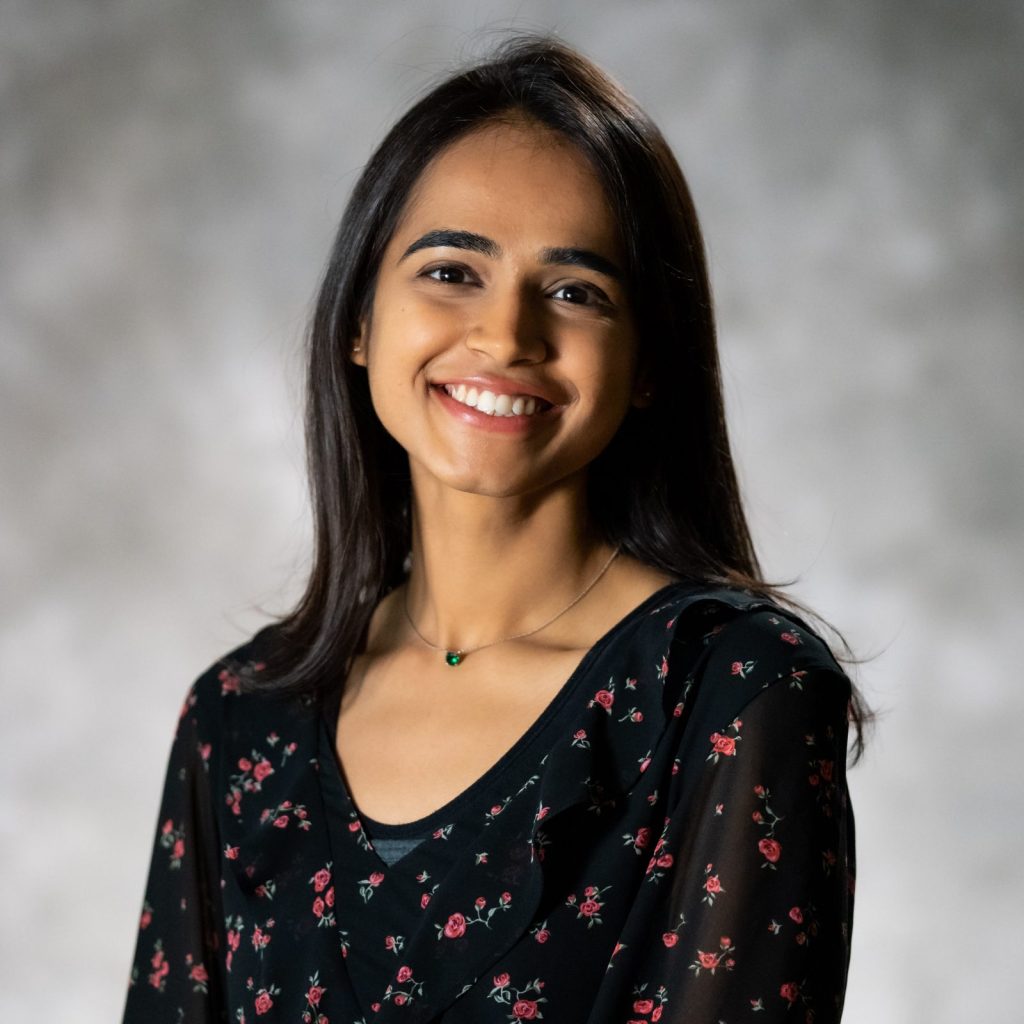
What happens when our hearts are infected with a virus? And how do we study such a phenomenon? Tune in to hear third-year Ph.D. student Rachel Padget discuss her research in the cardiac field and her life as a graduate student!
Lub Dub
A hearty podcast
How exactly does the heart beat? How is electrical activity passed from one heart cell to another? And how can this go wrong in diseases like heart failure? Does drinking red wine really help prevent heart disease? Hear the answer to these questions and more in this episode featuring Dr. Steve Poelzing, an expert in cardiac dysfunction.

Exploring Parts Unknown
Vision and Grad School
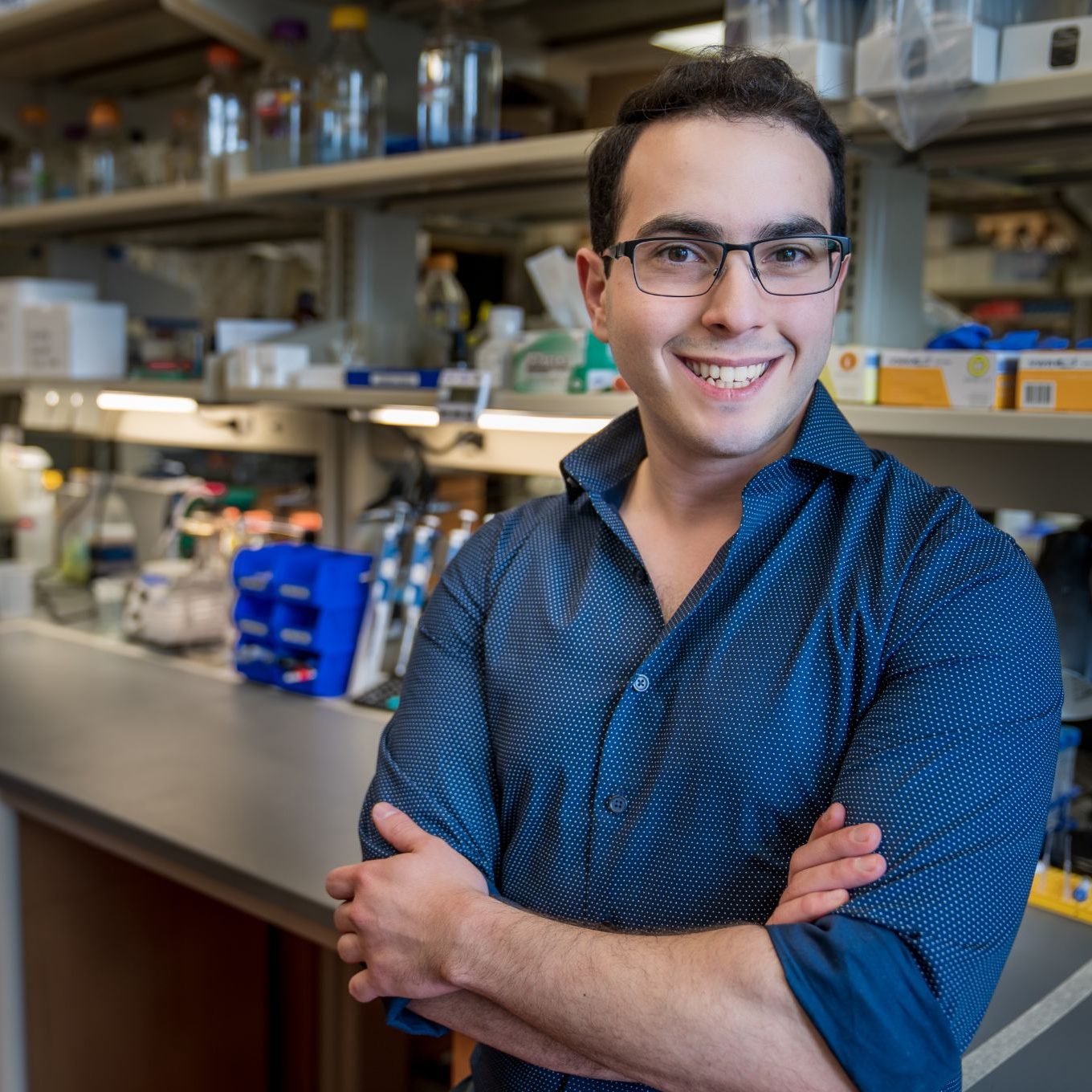
Tune in to hear graduate student Ubadah Sabbagh as he discusses his path to a Ph.D. program and his research into how light can impact much more than what we see, including jet lag and mood disorders.
Unzip your genes
Traits, DNA, & RNA.
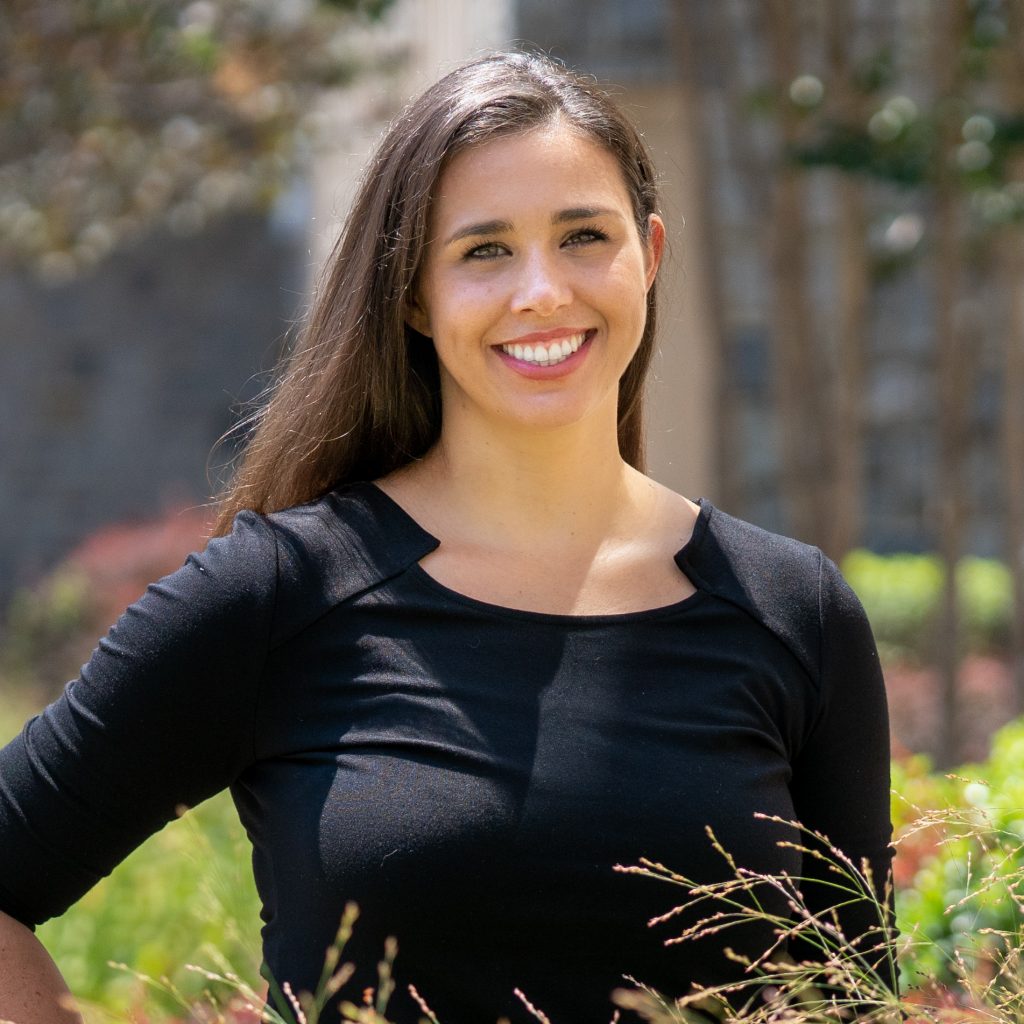
Scientists call DNA the blueprints for life. What does that even mean? Have you ever wondered what RNA is, or how it differs from DNA? And how exactly does DNA relate to our traits, such as eye color or height? Tune in to learn the answer to these questions and more. Dr. Shannon Farris, an expert in RNA, joins us in our first episode to discuss the importance of RNA and how it contributes to memory formation in the brain.
 Big Lick of Science Podcast